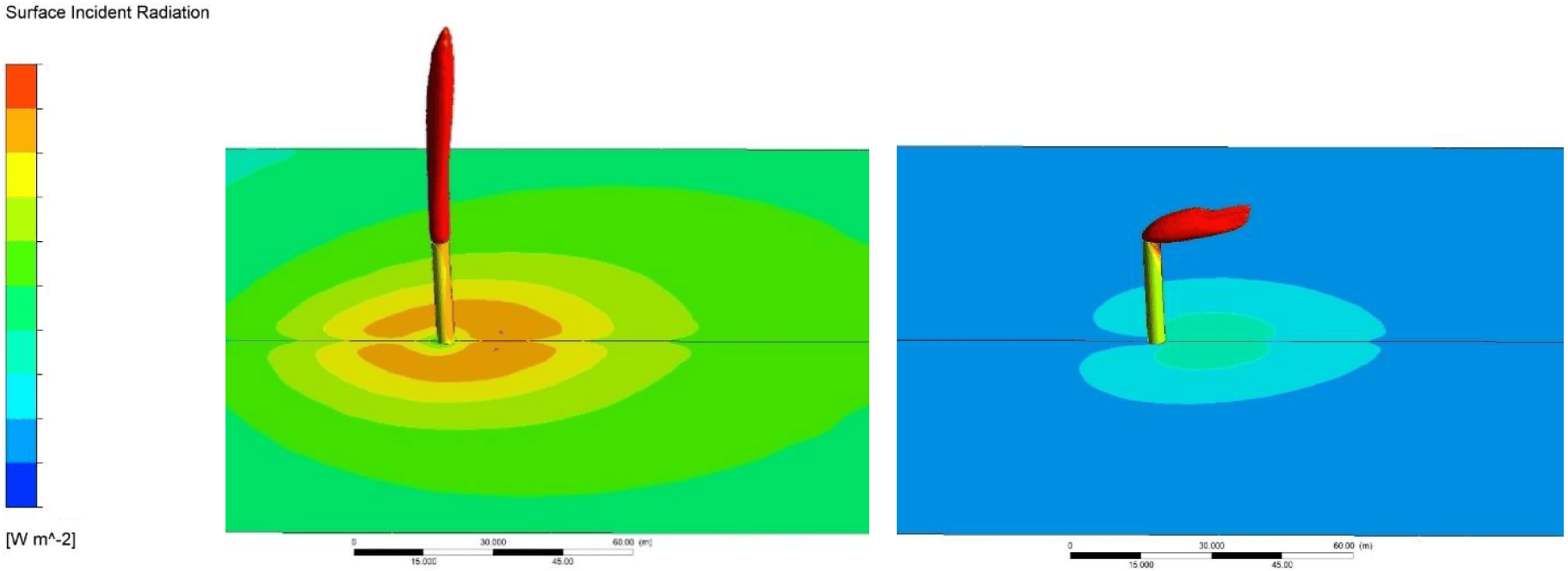

SOLUTIONS WITH LOW VISUAL IMPACT, REDUCED RADIATION AND BETTER INTEGRATION INTO THE PLANT WITHOUT A VISIBLE FLAME
Ground flares — also known as enclosed flares or concealed flares — are the ideal solution when a project requires the combustion of waste gases with greater environmental control, reducing thermal radiation, flame visibility and the visual impact of the installation.
At PREMATECNICA, we design and supply ground flares tailored to the specific conditions of each installation: flow rate, gas composition, available pressure, requirements regarding smoke, radiation and noise, available space, and environmental or planning constraints.
Our expertise in process and energy solutions enables us to tackle every ground flare with a practical approach: process safety, plant integration, mechanical robustness and long-term operational reliability.
WHEN TO CHOOSE A GROUND OR ENCLOSED FLARE
A ground flare is particularly suitable when the project requires greater control over the immediate surroundings, a reduction in nearby thermal radiation, or minimisation of the flame’s visibility. It is also particularly interesting when the installation, the visual impact or the site constraints make an elevated flare less suitable.
Compared with an elevated flare, it improves integration into the plant layout, reduces nearby radiation and can offer greater destruction efficiency as it is less affected by the wind. Compared with a thermal oxidiser, it is a safety and relief solution, not intended for the continuous treatment of emissions.
OPERATION AND SETTINGS
The ground-mounted flare burns off waste gases within a combustion chamber designed to control the flame, radiation and the behaviour of the system. Rather than using height to direct the combustion away, the ground flare utilises the equipment’s own geometry, the arrangement of the burners and the combustion air intake.
The most common configurations include partially enclosed and fully enclosed flares, as well as single-point or multi-point staged designs to accommodate different flow rates and maintain stable, uniform combustion with minimal environmental impact.
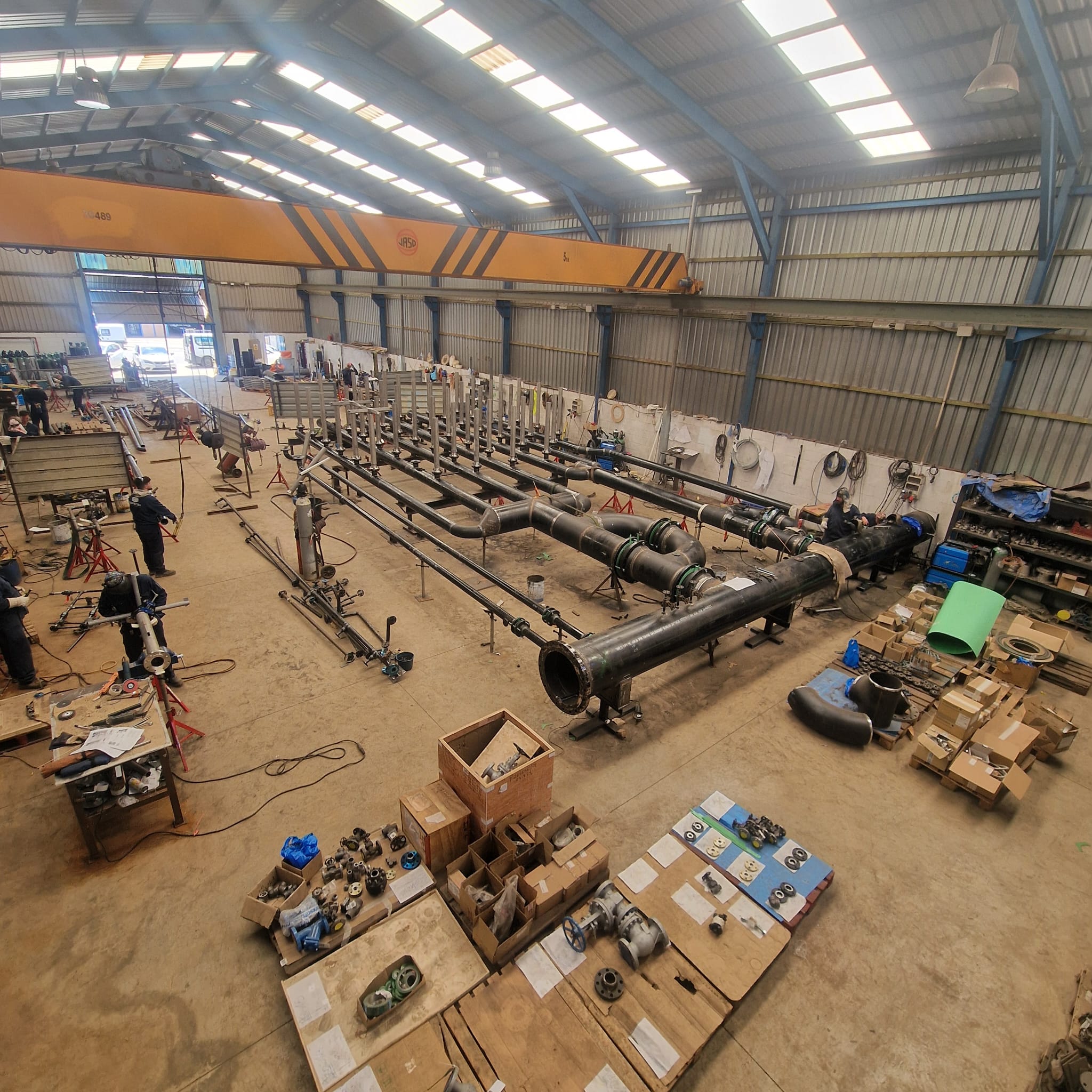
MAIN COMPONENTS
The components that have the greatest influence on the performance of a ground flare are the combustion chamber, the refractory insulation, the wind fence, the staging system, the burners and the pilot lights. They all work in coordination to contain the flame, promote the mixing of air and gas, and ensure safe and stable combustion.
The chamber and the refractory material provide thermal protection for the assembly and contain the flame. The wind fence helps to stabilise the airflow and reduce the impact of noise, radiation and the visibility of the flame. The staged system groups the burners to suit different flow rates, and multi-arm burners improve the distribution of gas and air and reduce smoke formation.
PREMATECNICA DESIGNS AND IMPLEMENTS YOUR GROUND FLARE
Each ground flare requires a specifically designed base. At PREMATECNICA, we analyse process conditions, relief scenarios, gas composition, available pressure, radiation and noise criteria, installation constraints, and operation and maintenance requirements.
Building on this foundation, we help to define the most suitable configuration and integrate the floor-mounted flare with the rest of the plant, including the combustion chamber, burners, stages, ignition systems, control systems, pipework, utilities, and provide support with the supervision of assembly, commissioning, maintenance, inspections and spare parts.
Where the project requires it, we carry out radiation and dispersion studies, or provide CFD support, to validate the solution and facilitate its safe integration into the plant.